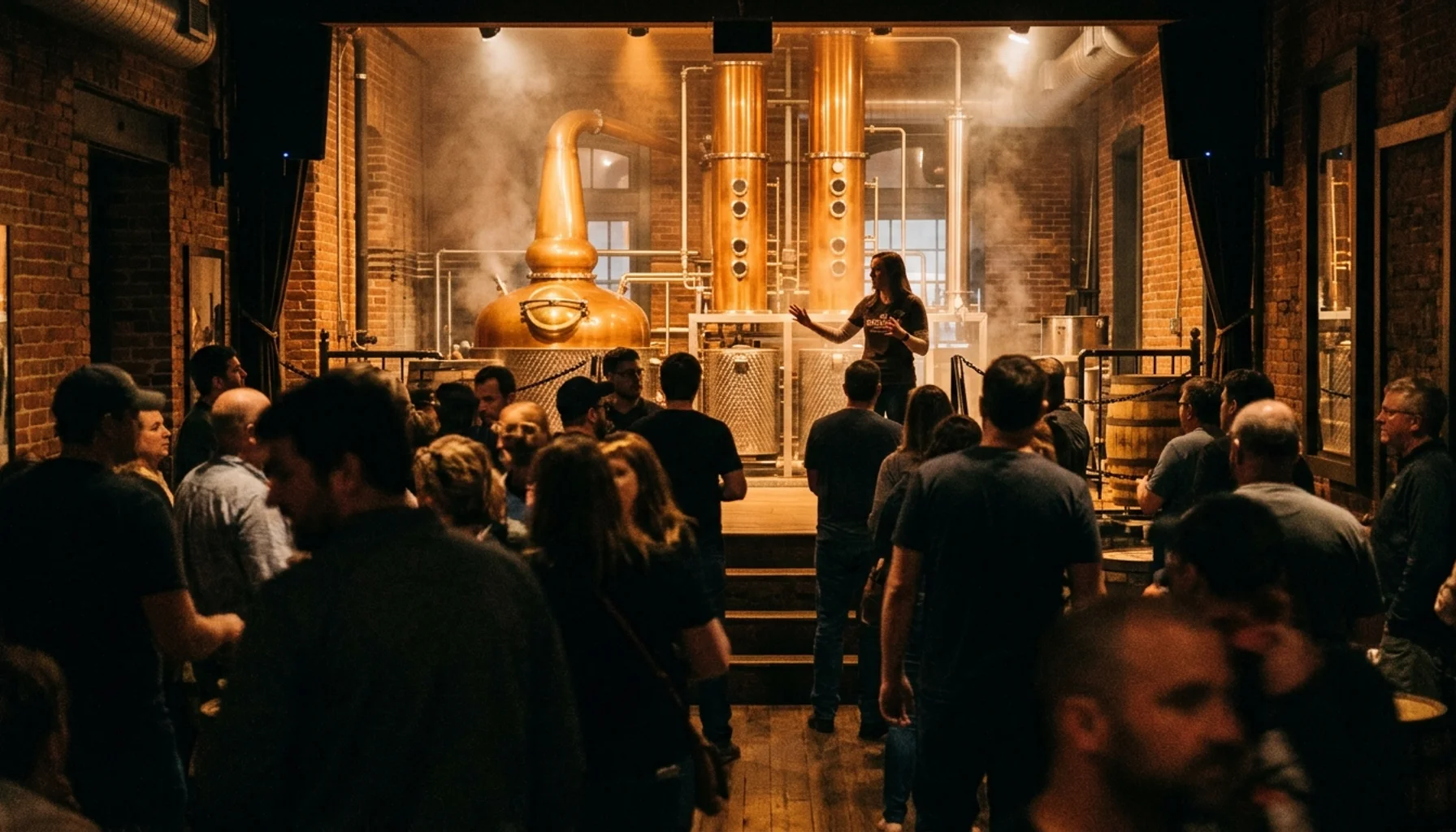
Louisville distilleries cluster into three walkable pockets: downtown Whiskey Row, the NuLu/East Market District, and Butchertown, plus a couple of drive-to stops worth the extra fifteen minutes. Angel’s Envy, Old Forester, and Michter’s Fort Nelson consistently earn their price tags in 2026, while a few of the bigger-name tours have drifted into brand-showcase territory that skips real production.
Key Takeaways
- Louisville’s distillery scene splits geographically: Whiskey Row on Main Street is walkable, NuLu and Butchertown require a short rideshare, and Stitzel-Weller sits about five miles from downtown.
- Standard guided tours with tastings typically run $18 to $35 and last 45 to 90 minutes.
- Angel’s Envy and Michter’s weekend slots often book out four to six weeks ahead; Evan Williams and Rabbit Hole are usually easier to grab last-minute.
- A full day of three to four tours plus lunch and rideshares runs roughly $80 to $120 per person.
- Louisville anchors the Kentucky Bourbon Trail® as its official starting point, with more than two dozen bourbon experiences inside city limits.
- Basing your trip in La Grange, about 20 to 25 minutes from downtown, puts you close enough for an early tour without fighting downtown parking every night.
If you’re planning a bourbon-focused trip to Kentucky in 2026, the hard part isn’t finding a distillery. It’s figuring out which ones are worth a reservation and which ones are polished visitor centers dressed up as tours. We host groups every month who ask this exact question before they’ve even unpacked, usually somewhere between the drive in and their first pour. Some of the most famous names on Whiskey Row deliver real production insight. A few don’t.
This guide sorts the current Louisville lineup by what you actually get for your money: real barrel work versus a tasting room with good branding. It also covers the logistics nobody puts in writing, like which tours book out weeks in advance, how to move between neighborhoods without wasting an afternoon on rideshare surge pricing, and what a realistic one-day budget looks like in 2026.
Whether you’re organizing a bachelorette weekend or a smaller trip built entirely around tastings, the itinerary below reflects what’s currently bookable and what’s worth skipping.
What Are the Best Distilleries to Visit in Louisville?
The best Louisville distilleries in 2026 combine genuine production access with a tasting experience that justifies the ticket price: Angel’s Envy, Michter’s Fort Nelson, and Old Forester Distilling Co. top that list, followed closely by Rabbit Hole Distillery and Kentucky Peerless Distilling Co. for their working-still visibility.
Angel’s Envy sits at 500 E Main St in the heart of Whiskey Row and is best known for finishing its bourbon in port wine barrels, a detail the guide walks you through with an actual barrel in hand. Tours here run $25 to $75 depending on the experience tier, last 60 to 90 minutes, and include two to four pours. Book two weeks out on weekdays and closer to a month for weekend slots; this is one of the two distilleries locals warn you not to leave until the last minute.
Michter’s Fort Nelson, at 801 W Main St, runs a standard tour around $25 for 60 minutes with three expressions poured at the end. The ground-floor bar is worth staying for even if you skip the tour; it’s one of the better cocktail rooms on Main Street. Old Forester Distilling Co. at 119 W Main St charges roughly $22 for a 60-minute tour that includes a live barrel-charring demonstration, one of the more memorable five minutes on the whole street.
Which Distillery in Louisville Makes the Best Bourbon?
No single distillery makes an objectively “best” bourbon since flavor preference is personal, but Kentucky Peerless Distilling Co. and Angel’s Envy consistently draw the most enthusiast praise for distinct, less mass-market profiles. Peerless runs a family-owned, grain-to-bottle operation at 120 N 10th St with an intimate tour that shows the actual mashing and bottling process rather than a polished walkthrough.
If you want a bourbon that tastes different from the big-brand shelf standard, Peerless is the stop. Its smaller batch sizes mean the pours during the tasting often rotate, so ask what’s currently in the tasting flight before you book. Angel’s Envy’s port-finished expression is the other frequently cited favorite, because the finishing process is unusual enough that even casual drinkers notice the difference from a standard bourbon.
For a rye-forward profile, Rabbit Hole Distillery at 711 E Jefferson St in NuLu has built a reputation on its architecturally striking building and a broader style range across its core lineup. Evan Williams Bourbon Experience, meanwhile, is a reliable pick if you want to taste a historically significant, widely distributed bourbon without spending more than about $18 to $30 for the tour and speakeasy add-on.
How Many Distilleries Are in Louisville, KY?
Louisville has more than two dozen bourbon experiences within city limits as of 2026, according to Louisville Tourism, ranging from full production distilleries to tasting rooms and brand showcases. The city serves as the official starting point of the Kentucky Bourbon Trail, a designation that groups distilleries across the state into a single driving route.
Not every one of those two dozen experiences is a working distillery with a still on-site. Several are tasting rooms or brand experience centers built to introduce you to a label without showing the actual mash bill or fermentation process. That distinction matters if you’re trying to decide where to spend a limited number of tour slots in a single day.
The core cluster that most visitors hit divides into three walkable or near-walkable zones: Whiskey Row on downtown Main Street (Angel’s Envy, Old Forester, Michter’s, Evan Williams), NuLu and the East Market District (Rabbit Hole), and Butchertown (Copper & Kings). Stitzel-Weller Distillery sits about five miles outside downtown, according to its own site, making it a deliberate drive-to stop rather than something you add on impulse between Main Street tours.
What Whiskey Is Made in Louisville?
Louisville primarily produces bourbon, the American whiskey style defined by a majority-corn mash bill and new charred oak barrel aging, though several distilleries also produce rye whiskey. Kentucky Peerless makes both bourbon and rye at its 10th Street facility, while Rabbit Hole’s lineup leans into rye-forward blends alongside its standard bourbon.
Angel’s Envy’s signature product is a bourbon finished in port wine barrels after its initial aging, a two-step process that’s become one of the more copied finishing techniques in the industry since the distillery introduced it. Old Forester, one of the oldest continuously sold bourbon brands in the country, focuses on traditional bourbon expressions and demonstrates the charring step that gives the barrel its color and vanilla-forward character.
Copper & Kings in Butchertown breaks from the bourbon-only pattern with brandy production alongside its whiskey offerings, and its “sonic aging” process, using sound vibration during barrel aging, is a genuine point of differentiation rather than marketing dressing. If you only have time for one non-bourbon stop, this is it.
Which Louisville Distillery Tours Feel Overly Commercial or Repetitive?
Several higher-traffic Louisville distillery tours prioritize a polished, brand-forward visitor experience over deep production access, meaning you’ll see fewer working stills and more retail-adjacent storytelling. This distinction rarely gets called out in typical guides, which tend to rank every tour positively regardless of what you actually see on the floor.
The pattern to watch for: tours that spend most of the walkthrough in a gift shop-adjacent tasting lounge rather than near active equipment. That’s not automatically a bad tour; some visitors specifically want a relaxed tasting experience without technical detail. But it’s a different product than a production tour, and it’s worth knowing which one you’re booking before you pay for it. We’re keeping this section general on purpose rather than naming specific weak tours, since branding emphasis shifts year to year and we’d rather point you toward what to check for yourself when you book.
If your group includes serious bourbon enthusiasts who want to see actual fermentation tanks and column stills, prioritize Peerless, Old Forester, and Rabbit Hole; all three keep working equipment visible on the tour route. If your group mixes drinkers and non-drinkers, a shorter tasting-room stop like Evan Williams’ base tour covers the history without demanding a 90-minute time commitment from someone who isn’t that invested in the process.
How Do Tour Prices, Durations, and Reservations Compare?
Louisville distillery tour pricing in 2026 typically ranges from $15 for a short tasting-room visit to $75 for premium multi-pour experiences, with most standard production tours landing between $18 and $32 for 45 to 90 minutes. Reservation lead time varies significantly by distillery, and booking the wrong order can cost you a full afternoon.
| Distillery | Location | Price Range | Duration | Booking Lead Time |
|---|---|---|---|---|
| Angel’s Envy | 500 E Main St | $25 to $75 | 60 to 90 min | 4 to 6 weeks (weekends) |
| Michter’s Fort Nelson | 801 W Main St | ~$25 | 60 min | 4 to 6 weeks (weekends) |
| Old Forester Distilling Co. | 119 W Main St | ~$22 | 60 min | 1 to 2 weeks |
| Evan Williams Bourbon Experience | 528 W Main St | ~$18 to $30 | 45 to 60 min | Days (easier last-minute) |
| Rabbit Hole Distillery | 711 E Jefferson St | $16 to $32 | Varies | Days (easier last-minute) |
| Copper & Kings | 1121 E Washington St | ~$15 | 45 min | 1 to 2 weeks |
Rabbit Hole’s official visitor page lists $32 general adult admission, $26 for military, veteran, and senior visitors, and $16 for guests under legal drinking age or non-drinkers, with tours capped at eight people and reservations required. Hours run Tuesday through Saturday, 10 a.m. to 6 p.m., closed Sunday and Monday, and winter months (January and February) may see additional closures Sunday through Tuesday, so check the Rabbit Hole Distillery visitor page directly before you plan around it.
What Does a One-Day Louisville Bourbon Itinerary Look Like?
A realistic one-day Louisville distillery itinerary fits three to four tours plus lunch and transportation for roughly $80 to $120 per person, starting on Whiskey Row in the morning and moving toward NuLu or Butchertown by early evening. Sequencing matters more than most guides admit, since tasting fatigue is real by tour number four.
Start at Old Forester at 10 a.m. for the barrel-charring demonstration while your palate is fresh. Move to Michter’s at 11:30 for the cocktail-forward tasting, then break for lunch around 1 p.m. at Doc Crow’s or Against the Grain, both take walk-ins but fill up fast on weekends. Head to Evan Williams at 2:30, then Angel’s Envy at 4 p.m. when the port-barrel story lands best with a slightly slower afternoon crowd.
From there, Copper & Kings’ rooftop bar is the right move around 5:30 for sunset drinks over Butchertown’s rooftops, followed by dinner and cocktails at Rabbit Hole Overlook. If Rabbit Hole’s tour slot doesn’t fit your day, move it to the following morning instead of cramming a fifth stop into one afternoon.
Downtown Uber and Lyft rides between stops typically run $6 to $10, and walking between Whiskey Row venues is faster than waiting on a car during weekend surge pricing. Don’t drive yourself between stops if you’re tasting at each one; save the car for getting back to your rental at the end of the night.
What Should First-Time Bourbon Trail Visitors Skip or Watch For?
First-time visitors to Louisville’s bourbon scene most often overpay for tours that don’t distinguish tasting-room visits from full production tours, and underestimate how quickly weekend reservations disappear. Confirming which type of experience you’re booking, and locking in Angel’s Envy and Michter’s early, prevents the two most common planning mistakes.
Parking is the other detail most guides gloss over. Street parking on Main Street fills fast by mid-morning on weekends; the garage near 4th Street is a safer bet if you’re driving in rather than staying downtown. If your group is large, splitting into two rideshares instead of one oversized vehicle usually gets you there faster during peak Bourbon Trail season in fall.
Accessibility varies by distillery: older buildings on Whiskey Row have uneven floors and stairs in spots, so call ahead if anyone in your group needs step-free access. And if your group has non-drinkers, most tastings offer a non-alcoholic pour option, but you’ll need to ask when booking rather than assuming it’s automatic.
Groups splitting a trip between drinkers and non-drinkers sometimes find it easier to plan the whole weekend around a mixed schedule rather than forcing everyone through every tour; our Louisville itinerary for drinkers, non-drinkers, and kids breaks down exactly how that split works day by day.
Where Should You Stay Between Distillery Tours?
The most practical base for a Louisville distillery trip is close enough to downtown for an easy morning start but far enough out to skip nightly hotel parking fees and downtown noise. La Grange, roughly 20 to 25 minutes from Whiskey Row, hits that balance for groups traveling together rather than solo.
More bourbon travelers are choosing to stay outside the city core rather than compete for downtown hotel rooms, especially groups of eight or more who need multiple bedrooms under one roof. For a group of eight to twelve, a single rental house also solves the math problem multiple hotel rooms create: everyone under one roof, one kitchen for the mornings after a long tasting day.
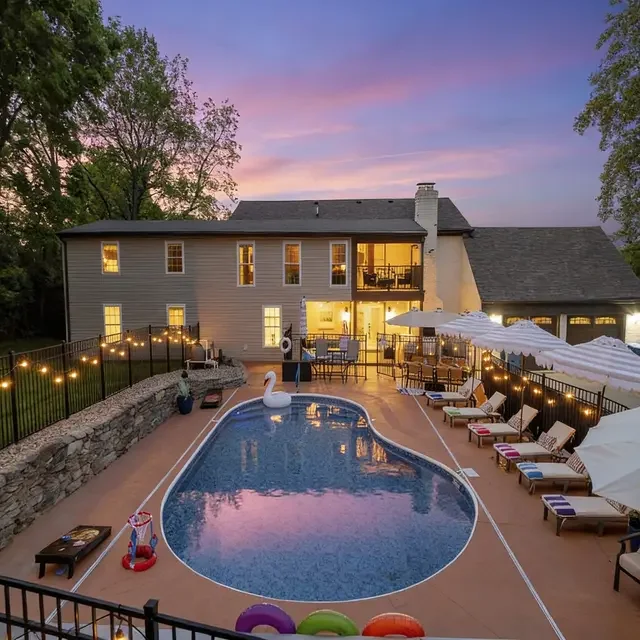
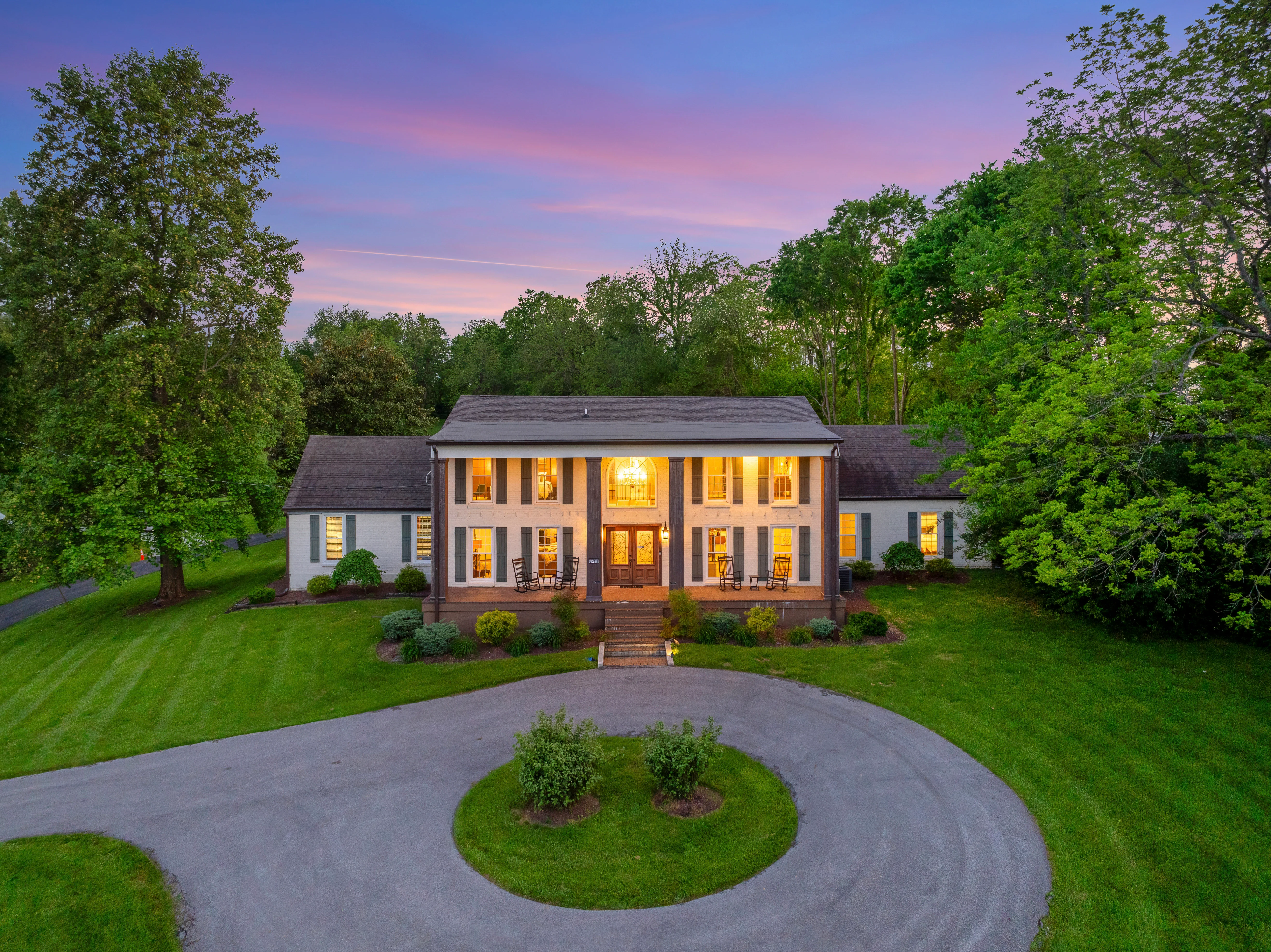
Glencairn Knoll sits on 3.75 private acres in La Grange, about 20 to 25 minutes from Louisville’s distillery cluster, and sleeps up to 12 guests across four bedrooms with five king beds. After a day of tastings that starts at 10 a.m. and ends near midnight, coming back to a private saltwater pool and covered hot tub instead of a hotel elevator makes a real difference for a group. For guests weighing where to post up for a multi-day bourbon trip, our guide to where to stay in Louisville compares neighborhoods against a La Grange basecamp directly.
What’s a Local Insider Recommendation Beyond the Standard Distillery List?
Hermitage Farm in nearby Goshen combines Kentucky’s two defining traditions, horses and bourbon, in a single visit that works well for mixed-generation groups. The working Thoroughbred farm offers tours, a historic carriage collection, bourbon tastings, dinner at Barn8, its restaurant inside a restored horse barn, and classes on building bourbon cocktails.
Family members who aren’t especially interested in another distillery tour often still enjoy Hermitage Farm because it’s low-intensity and largely wheelchair accessible in its public areas. Oldham County Tourism lists farm tours running Wednesday through Sunday, so book ahead rather than showing up expecting a same-day slot.
This kind of stop matters most on multi-generational trips, where grandparents and younger relatives don’t always want to spend four consecutive hours in distillery tasting rooms. Working a farm visit into day two of a longer stay keeps the trip from becoming one long bourbon marathon, something we see solve real friction for reunion groups.
What Should You Prioritize When Booking Distillery Tours?
Prioritize Angel’s Envy and Michter’s reservations first if you’re visiting on a weekend, since both routinely book out four to six weeks in advance. Evan Williams and Rabbit Hole have more flexible last-minute availability, making them the right choice to slot in once your anchor tours are locked.
- Book weekend Angel’s Envy and Michter’s slots at least a month ahead; weekday slots need one to two weeks.
- Confirm which tour type you’re booking, production tour versus tasting-room visit, before paying for a premium ticket.
- Group your Whiskey Row stops together on one day and save NuLu or Butchertown for a separate afternoon.
- Ask about non-alcoholic tasting options in advance if your group includes non-drinkers or minors.
- Budget $80 to $120 per person for a full day of three to four tours, lunch, and rideshare transportation.
- Call ahead about accessibility if anyone in your group needs step-free access; several Whiskey Row buildings have stairs and uneven flooring.
Common mistakes worth avoiding: booking five tours in one day (tasting fatigue sets in by the third stop), driving yourself between distilleries instead of using rideshare, and assuming every “bourbon experience” listed downtown includes an actual production tour. Some are tasting rooms only, a fine experience but not what a bourbon enthusiast expects going in.
Frequently Asked Questions
What are the best distilleries to visit in Louisville?
Angel’s Envy, Old Forester Distilling Co., and Michter’s Fort Nelson are the strongest picks for real production access combined with a memorable tasting; all three sit on downtown Main Street’s Whiskey Row within walking distance of each other. Kentucky Peerless Distilling Co. is the top choice if you want a small, family-owned grain-to-bottle experience.
Which distillery in Louisville makes the best bourbon?
Preference is personal, but Kentucky Peerless and Angel’s Envy draw the most enthusiast attention for distinctive, less mass-market profiles. Angel’s Envy’s port-barrel finish is one of the more recognizable flavor differentiators among Louisville distilleries.
How many distilleries are in Louisville, KY?
Louisville has more than two dozen bourbon experiences within city limits as of 2026, according to Louisville Tourism, spanning full production distilleries, tasting rooms, and brand showcases across Whiskey Row, NuLu, and Butchertown.
What whiskey is made in Louisville?
Louisville distilleries primarily produce bourbon, made from a majority-corn mash aged in new charred oak barrels, along with rye whiskey at distilleries like Kentucky Peerless and Rabbit Hole. Copper & Kings also produces brandy alongside its whiskey lineup.
How far in advance should I book Louisville distillery tours?
Book Angel’s Envy and Michter’s Fort Nelson four to six weeks ahead for weekend slots, and at least one to two weeks ahead on weekdays. Evan Williams and Rabbit Hole Distillery are typically bookable with just a few days’ notice.
Is it better to walk or use rideshare between Louisville distilleries?
Whiskey Row’s cluster of distilleries, including Angel’s Envy, Old Forester, Michter’s, and Evan Williams, is walkable in normal weather. Getting to NuLu’s Rabbit Hole Distillery or Butchertown’s Copper & Kings typically requires a short rideshare, usually $6 to $10 downtown.
Can non-drinkers enjoy a Louisville distillery tour?
Yes, most tours include a non-alcoholic tasting option and cover distillery history, architecture, and production process regardless of whether you drink the pours. Rabbit Hole’s official pricing even lists a reduced admission tier specifically for minors and non-drinkers.
Where should a group stay when visiting Louisville distilleries?
Groups of eight or more often do better staying outside downtown in a single rental house rather than splitting across hotel rooms. La Grange, about 20 to 25 minutes from Whiskey Row, offers that balance without downtown parking costs eating into the day’s budget.
Conclusion: Which Louisville Distilleries Deserve Your Time in 2026
Angel’s Envy, Old Forester Distilling Co., and Michter’s Fort Nelson remain the three most reliable Louisville distilleries for groups who want real production access alongside a tasting worth the price, and Kentucky Peerless is the pick if a small, family-run operation matters more to your group than brand recognition. Book the harder-to-get reservations first, keep your day to three or four stops, and save Rabbit Hole Distillery or Copper & Kings for whichever day you’re not rushing.
Louisville’s role as the starting point of the Kentucky Bourbon Trail® isn’t changing in 2026, and neither is the basic math of a good bourbon day: fewer, better tours beat a rushed five-stop marathon every time. Plan the sequence, book the popular slots early, and leave room in the itinerary for something slower, like a farm visit or a rooftop cocktail, between tastings.
After a day moving between Whiskey Row tastings, Glencairn Knoll gives your group a heated saltwater pool and covered hot tub to unwind in, just 20 to 25 minutes from downtown Louisville’s distillery cluster. Check current dates and see the full layout at glencairnknoll.com/book-glencairn-knoll.
Content powered by inkSTR.co