Which distillery tours are worth booking for a serious whiskey enthusiast? Choose tours that show real production depth, barrel or warehouse access, and tastings beyond the flagship pour. In Louisville, Whiskey Row stops plus one Bourbon Trail day trip cover that ground, and you should reserve them before you arrive.
Key Takeaways
- Judge a tour by what it lets you see and taste, not by its gift shop or its branding.
- Whiskey Row in downtown Louisville puts Old Forester, Evan Williams, and Michter’s Fort Nelson within walking distance of one another.
- Standard flagship tours suit a first visit; enthusiasts should look for extended, hands-on, or private tiers.
- Reserve ahead for weekends and bring a valid ID, since tastings require guests to be 21 or older.
- Budget a couple of hours per full distillery visit and limit yourself to two or three stops a day.
- A basecamp in La Grange keeps drives short and evenings quiet after a day of tastings.
If you’re the one building this trip, you already know the problem. Every distillery website promises an ultimate experience, and many sell the same short walkthrough with a small pour at the end.
At Glencairn Knoll, Deb and James Paul host bourbon travelers who arrive with a spreadsheet of distilleries and leave with a shorter, smarter list. This guide comes from those conversations. It uses stated criteria, not paid placement. We are a vacation rental, not a distillery, so confirm current tour details, prices, and durations with each distillery before you book.
Our home sits in La Grange, KY, about 25 minutes from downtown Louisville. That makes Whiskey Row an easy morning and a quiet evening. The 2026 season rewards planning, so we start with how to judge a tour.
What Makes a Distillery Tour Worth Booking for Experienced Whiskey Drinkers?
A worthwhile distillery tour is one that shows production steps you cannot see in a bottle shop and pours something beyond the standard flagship. For experienced drinkers, depth beats polish. Five questions separate substance from souvenir, and we ask them of every tour we recommend to guests.
- Production access: Do you see the mill, fermenters, and stills, or only a video and a gift shop?
- Warehouse or cask access: Can you walk a barrel warehouse or taste from a cask?
- Pour quality: Which expressions are poured, and is anything distillery-exclusive or cask strength?
- Hands-on time: Does the tour include barrel filling, thieving, or bottling your own?
- Group size: Small groups let you ask technical questions without waiting your turn.
Specific stop names in a tour description are a good sign. Phrases like “immersive journey” often hide a generic walkthrough. Expect some repeated heritage storytelling on entry-level tours, because every distillery tells its founding story. The real value sits on the production floor and in the glass.
Count the pours listed on the tour page, and note whether the description names the expressions. A page that says “a tasting of our whiskeys” tells you little. A page that lists each pour tells you the distillery expects informed guests. Formats and pour rotations change, so verify current details directly with the distillery.
Which Louisville Distillery Tours Are Worth Booking for a Serious Whiskey Enthusiast?
For a serious whiskey enthusiast in Louisville, the strongest bookings are the West Main Street stops on Whiskey Row: Old Forester and Evan Williams. Michter’s Fort Nelson belongs on that list too. All three sit within a 15-minute walk of one another, so you can compare distinct houses without driving between them.
Book the longest tier each one sells, not the cheapest. The entry tour tells the brand story. Extended tiers are where production floors and extra pours tend to appear. Smaller groups show up there as well. Check each tour page for exactly what your tier includes, how many pours you get, and how long the visit runs.
Two other Louisville names deserve a look. Angel’s Envy operates a distillery downtown, and Rabbit Hole is another Louisville option. Put them on a separate day if you want unhurried tastings.
Our blunt advice: skip the urge to stack three tours into one afternoon. Two full visits plus a long lunch beat three rushed pours. A Kentucky itinerary guide recommends at least two hours per visit once you count the tour and tasting. The shop adds time too.
We cannot quote current prices or tasting counts for individual distilleries here, because they change by season and tier. The table below uses the one price range we can support, and the tour pages hold the rest. Call or email before you pay if the page leaves a gap.
How Do Standard, Extended, and Private Tours Compare?
A tour tier is the level of access a distillery sells: standard tours cover the basic production story, extended tours add depth, and private or hands-on options add control. A 2026 interactive-tour guide reports that flagship experiences commonly cost $25 to $40 at major distilleries.
| Tier | What you usually see | Tasting depth | Best for | Cost |
|---|---|---|---|---|
| Standard flagship | Core production stops and brand story | Core range pours | First visits, mixed groups | Commonly $25 to $40 |
| Extended or premium | Added production or warehouse time | Older, limited, or rare pours at some houses | Enthusiasts | Higher; confirm on the tour page |
| Hands-on or bottle-your-own | Barrel filling, thieving, bottling | Often a take-home bottle | Collectors | Varies by experience |
| Private or small group | Guide-led with a flexible pace | Set by the distillery | Friend groups | Usually custom; ask |
Before you pay for any tier, ask technical questions by email or phone. Request the mash bill and yeast approach. Ask about barrel-entry proof and warehouse conditions as well. Ask whether guests taste from a cask. Fast, specific answers signal a tour built for enthusiasts, while vague replies suggest a standard walkthrough with a new label.
If your group includes both first-timers and collectors, split the difference. Book a standard tour at one house and the extended tier at another. You get a baseline for comparison and a deeper look where it counts.
Is a Bourbon Trail Day Trip Worth the Drive From Louisville?
A Bourbon Trail day trip is a drive beyond Louisville to working distillery campuses, where grain, stills, and warehouses share one property. For enthusiasts, it is worth doing once, because the scale of a production site changes how you understand the whiskey.
James B. Beam Distilling Co. In Clermont, Maker’s Mark is a name itineraries combine most often with Heaven Hill. Allow well over an hour each way for the farther stops, and check a map for your exact route. Our Bourbon Trail in a day guide walks through realistic pacing.
Sip Kentucky’s advice on how many Kentucky bourbon distilleries you can visit in one day stresses leaving time for side-by-side comparisons. We agree. Two stops with a proper lunch beat three stops with a sprint.
An honest caveat: campus tours draw crowds on weekends, and the largest sites can feel busy. If your priority is depth, book a weekday morning slot. Mornings also keep your palate fresh for the second stop, which matters more than most guests expect.

How Far Ahead Should You Book Distillery Tours?
Distillery tour booking is the reservation step that decides your weekend. Popular Louisville and Bourbon Trail tours often sell out on weekends and in peak season, so reserve as soon as your dates are set. Tastings also require guests to be 21 or older with a valid ID.
Kentucky received 80.0 million visitors in 2026, according to Kentucky Tourism, and spending kept rising. Busy calendars mean limited seats on the best tiers, especially small-group and hands-on options.
Lodging follows a similar pattern. AirROI reports an average booking lead time of 39 days in La Grange, Kentucky in 2026. Lock the house and your tour times in the same week.
Read each cancellation policy before paying. Some tours require advance notice. Weather or travel changes happen too. Book your most important tour first, then build the rest of the day around it.
How Do You Handle Transportation, Designated Drivers, and Accessibility?
Tour logistics means deciding who drives, how you move between stops, and whether every guest can physically take part. Plan this before you pay for a tier. A tasting day collapses quickly without a driving plan.
Whiskey Row suits walking, since the main stops are close together. Between La Grange and downtown Louisville, you will want a car or a pre-arranged driver. Glencairn Knoll is 20.1 miles and about 25 minutes from downtown Louisville, and 2.1 miles and about 5 minutes from downtown La Grange.
Be candid with your group about the setup. The home is a private country retreat in a residential area, so guests need a car to explore the region. Rideshare availability varies by hour, so line up a driver for the return trip.
For accessibility, ask each distillery about stairs and warehouse floors. Ask about standing time too. Group members with limited mobility may prefer a main-floor king suite, which the house offers, and shorter tours.
Why Does La Grange Work as a Basecamp for Whiskey Enthusiasts?
A tour basecamp is the home you return to between distillery visits, and it shapes how well you taste. La Grange, in Oldham County, is a calm alternative to downtown hotels, about 25 minutes from Whiskey Row.

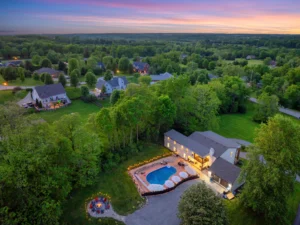
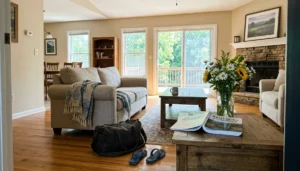
The house sleeps up to 12 across four bedrooms with five king beds. The two-wing layout lets a bourbon group stay up late without waking family members in the other wing. Our family guide to Louisville helps mixed groups plan days around tours.
Here is a habit our guests like: buy a few small bottles from your tours, then run a blind comparison in the speakeasy lounge. The chef’s kitchen handles a group dinner, and the fire pit is where the debates continue.
The house is not built for all-night parties. Events are not permitted, and quiet hours apply. That boundary protects neighbors and keeps the evenings relaxed for a tasting crowd.
What Can Non-Drinkers and Mixed Groups Do While You Tour?
Mixed-group planning means pairing one enthusiast-level tour with activities that do not depend on drinking. Families and designated drivers still deserve a good day. Build the itinerary so everyone has a highlight.
The Louisville Slugger Museum & Factory is a strong downtown option for guests who skip tastings. Waterfront Park works for a walk before or after Whiskey Row.
Our favorite local tip sits in Oldham County: Hermitage Farm in Goshen. It is a working Thoroughbred farm with tours and a bourbon tasting. Dinner at Barn8, inside a restored horse barn, rounds out the visit. Its public areas are wheelchair accessible. Oldham County Tourism confirms farm tours currently run Wednesday through Sunday, so reserve ahead.
For wider planning, see our Kentucky family vacation guide.
So Which Distillery Tours Should You Book First?
Which distillery tours are worth booking for a serious whiskey enthusiast comes down to access. Book the longest tier on Whiskey Row for one or two houses, add one Bourbon Trail campus on a weekday, and ask technical questions before you pay.
Plan the logistics early: reservations, ID, a driver, and realistic time per stop. As 2026 visitor demand keeps growing, early planning protects your best slots.
When it is time to book the house that fits the whole crew, Glencairn Knoll’s four bedrooms and five king beds are ready.

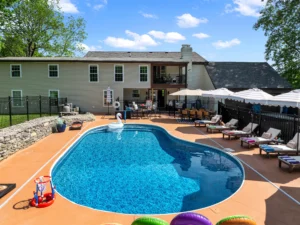
If you’re planning a whiskey weekend, Glencairn Knoll puts you about 25 minutes from Whiskey Row, and the heated saltwater pool is a welcome end to a day of tastings. Deb and James would love to host your group. Check availability here.
Frequently Asked Questions
Which distillery tours are worth booking for a serious whiskey enthusiast?
Choose the longest tier at Whiskey Row distilleries such as Old Forester and Evan Williams. Michter’s Fort Nelson fits that advice too. Add one Bourbon Trail campus for production scale.
Which distillery tours offer the best access beyond standard visitor experiences?
Look for extended and hands-on tiers with warehouse time or cask tastings. Private tiers are worth checking too. Ask each distillery directly what your ticket includes.
What bourbon attraction near Louisville is worth prioritizing over others?
Prioritize Whiskey Row for walkable comparison. In Oldham County, Hermitage Farm in Goshen pairs a bourbon tasting with horses and is easy for mixed groups.
What should I look for when choosing a distillery to visit for the first time?
Look for named production stops, a clear tasting description, and a manageable group size. A standard flagship tour is a good first step.
Can you recommend Louisville distilleries with guided tours and tastings for bourbon aficionados?
Old Forester, Evan Williams, Michter’s Fort Nelson, Angel’s Envy, and Rabbit Hole all sit in Louisville. Compare each tour page for tier details.
Which is the best place to stay for a bourbon trail weekend near Louisville?
Glencairn Knoll is a La Grange, KY vacation rental that sleeps up to 12 and sits about 25 minutes from downtown Louisville. Compare drive time and bedroom layout. Privacy matters too.
Content powered by inkSTR.co