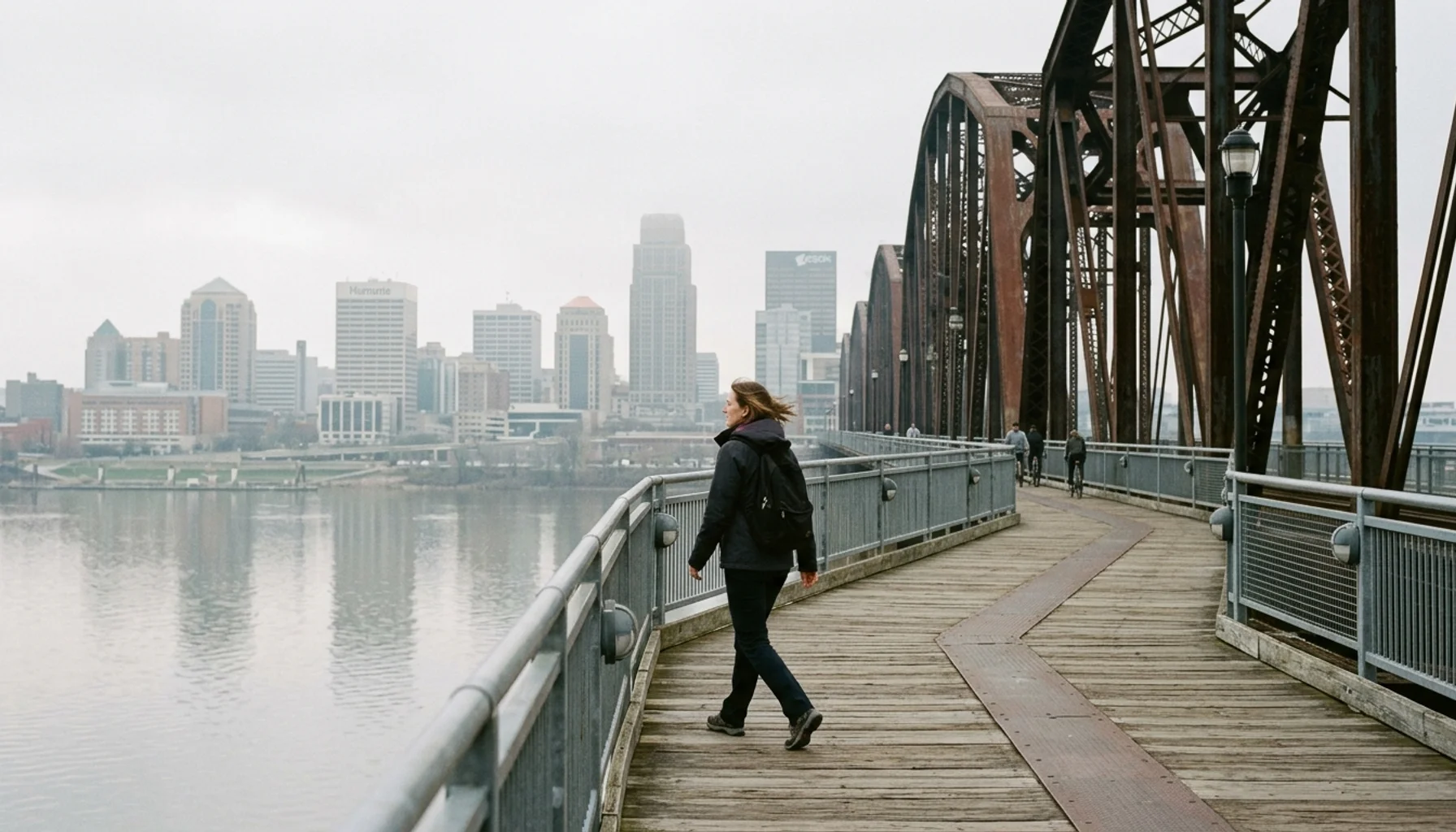
The most photogenic places in Louisville include Big Four Bridge at Waterfront Park, the historic architecture of St. James Court in Old Louisville, and the panoramic overlook at Baringer Hill in Cherokee Park. These three consistently produce the strongest shots for both skyline and portrait photography in 2026.
Key Takeaways
- Big Four Bridge at Waterfront Park has been an Instagram-trending photo location since 2013, according to wedding photography guides, and gives you the clearest Louisville skyline shot without a zoom lens.
- St. James Court in Old Louisville is a Victorian architecture district that peaks visually in summer, when the tree canopy fills in around the mansions.
- Cherokee Park’s Baringer Hill offers panoramic city views, and the park’s Scenic Loop is a 2.4-mile road with multiple pull-off points for landscape shots.
- Cave Hill Cemetery is a free, publicly accessible photography location known for its sculpture and mature tree canopy, though it operates on visitor hours you should confirm before an early or late shoot.
- Oldham County drew $83.6 million in tourism economic impact in 2026, according to Kentucky Tourism, and staying in La Grange rather than downtown puts you a short drive from every location on this list.
- Glencairn Knoll in La Grange, Kentucky, sits about 20 to 25 minutes from downtown Louisville, making it a practical basecamp for a full day of photo stops without paying downtown parking rates each time you head back out.
If you’re planning a Louisville trip around getting the shot, you’re not alone. Between engagement sessions, bachelorette weekends, and family reunions where somebody always wants “the photo” for the group chat, the question of the most photogenic places in Louisville comes up constantly. This guide ranks them by what reads well on a phone screen: skyline impact, crowd levels, ease of access, and whether the light works in your favor.
Most competing lists just name the same six landmarks and call it a day. This one ranks them against each other and tells you the parking situation, the best time of day, and which ones are worth the drive versus which ones are overhyped. It also covers the practical stuff nobody mentions: where the bathrooms are, what happens if it rains, and how far each spot sits from a comfortable home base in Oldham County.
Deb and James Paul, who host groups at Glencairn Knoll in La Grange, send a lot of families and friend groups into Louisville for exactly this kind of day trip. The property sits close enough to make repeat visits realistic, whether you’re chasing golden hour at the bridge one evening or coming back for a sunrise shoot at Cherokee Park the next morning.
What Are the Best Places to See the Views in Louisville?
The best view locations in Louisville are Big Four Bridge, Baringer Hill in Cherokee Park, and the observation points along Waterfront Park’s East River Road frontage. Each gives a different angle on the Ohio River and downtown skyline, and each works at a different time of day.
Big Four Bridge spans the Ohio River and connects Kentucky to Indiana, and it has functioned as an Instagram-trending photo spot since 2013, according to wedding photography guides that cover the city. The pedestrian deck sits high enough above the water that you get the full downtown skyline in frame without cropping out the riverfront. Go at golden hour, roughly an hour before sunset, when the light hits the glass buildings downtown and the bridge’s steel truss structure throws long shadows across the deck.
Baringer Hill, inside Cherokee Park, gives a different vantage: a panoramic city view from green space rather than concrete. The park’s Scenic Loop is a 2.4-mile road that winds through the park, so if Baringer Hill is crowded, you can drive the loop and find a quieter pull-off with a similar sightline. Parking is free along the loop, but spots fill fast on weekend mornings when runners and cyclists share the road.
Waterfront Park along East River Road rounds out the trio. It’s the spot for river-focused compositions rather than pure skyline shots, and it’s flat and stroller-friendly, which matters if you’re shooting a group that includes grandparents or toddlers.

What Are Some Hidden Gems in Louisville for Photos?
Hidden gems for Louisville photography include Unity of Louisville, a former Jewish temple turned architectural landmark, and the archway details inside the historic Rathskeller. Both draw far fewer visitors than Big Four Bridge or St. James Court, and both reward patient, detail-oriented shooting.
Unity of Louisville occupies one of the city’s original Jewish temples, and photography guides specifically recommend it for architectural work rather than casual snapshots. The building’s exterior detailing photographs well in flat, overcast light, which is a rare case where a gray sky helps. This is not a spot to rush; budget extra time to walk the perimeter and find the angle that isolates the facade from surrounding utility lines and parked cars.
The Rathskeller, known for its archways and intricate tile and plaster details, gives you an indoor option when Louisville’s humid summer afternoons make outdoor shooting uncomfortable. Interior architecture like this photographs best with a wide-angle lens and available light rather than flash, which tends to blow out the detail in the archways.
Muhammad Ali Center, better known as a cultural attraction than a photo spot, has clean architectural lines along its riverfront exterior that work well for portrait backdrops, especially in late afternoon when the building’s facade catches warm light. Lesser-known spots like these three are worth building into your itinerary because they won’t have a line of tourists waiting for the same shot you want.
Where Should You Go for Louisville Engagement Photo Locations?
The top Louisville engagement photo locations combine strong architecture with open sightlines, and Big Four Bridge, St. James Court, and Cherokee Park’s Scenic Loop cover that range most completely. Photographers favor these three because they give couples both an urban backdrop and a green-space alternative within the same trip.
St. James Court sits wedged into the Old Louisville neighborhood and reaches full bloom during summer, according to local coverage of the district. The Victorian mansions lining the court create a backdrop that reads as timeless rather than trendy, which is part of why it shows up in wedding photography guides year after year. Visit on a weekday morning if you want the street mostly to yourselves; weekends draw both photographers and the neighborhood’s regular foot traffic.
For couples who want water in the frame, Big Four Bridge remains the default choice: it’s been a go-to Instagram location since 2013 and gives a clean, unobstructed skyline. The tradeoff is crowd density, especially at sunset in warmer months, so arrive at least 30 minutes early to claim a spot on the deck.
Cherokee Park adds texture that neither of the other two locations can offer, with mature tree canopy and rolling terrain, plus the option to shoot along the 2.4-mile Scenic Loop if you want a mix of forest and open meadow in the same session. Fall foliage season, typically mid-to-late October in this part of Kentucky, is when this location peaks.
What Is the Richest Family in Louisville?
This is a question better answered through Louisville’s civic and cultural history than through current wealth rankings, which this article won’t speculate on. Historically, families like the Browns and Speeds left the deepest architectural and philanthropic footprint on the city, and their legacy shows up directly in the photogenic spots on this list.
The Speed family’s name is attached to the Speed Art Museum, Kentucky’s oldest and largest art museum, located at 2035 South Third Street near the University of Louisville campus. Its exterior architecture and rotating exhibitions make it a worthwhile stop if you want gallery-style backdrops rather than outdoor landscapes. The Brown family’s legacy is woven through Old Louisville’s mansion district, including the Victorian homes that line St. James Court, which is why that neighborhood photographs like a period film set rather than a modern suburb.
If your interest in this question is about visiting historic estates for photography, Historic Locust Grove at 561 Blankenbaker Lane is the strongest option. It’s open Monday through Saturday from 10:00 a.m. to 4:30 p.m. and Sunday from 1:00 to 4:30 p.m., and the plantation-era grounds offer a different texture than downtown’s steel-and-glass backdrops.

What Are Some of the Best Kept Secret Restaurants in Louisville, Kentucky?
Among Louisville’s most visually distinctive, lower-profile stops is Please & Thank You, a coffee shop known for backdrops that go well beyond the typical cafe setup. It works as both a functioning coffee shop and an Instagrammable interior, which makes it a smart mid-day stop between outdoor photo sessions.
Please & Thank You leans into quirky signage and layered visual details that give you a candid, lifestyle-style photo rather than a posed landmark shot. It’s the kind of stop that works well for group trips and girls’ weekends where you want a few casual, fun photos mixed in with the skyline shots. Budget 20 to 30 minutes if you’re also ordering food, since the space is small and fills up during weekend brunch hours.
For a bourbon-adjacent photo opportunity with food attached, Hermitage Farm in nearby Goshen pairs a working Thoroughbred farm with Barn8, a restaurant inside a restored horse barn. According to the hosts at Glencairn Knoll, who recommend it to guests staying in Oldham County, farm tours there typically run Wednesday through Sunday, and the public areas are wheelchair accessible, which makes it a rare stop that works for a full multi-generational group rather than just the photographers in the party.
Where Can You Find the Best Downtown Louisville Photo Spots?
Downtown Louisville’s strongest photo stops cluster around the bourbon district at Fourth and Main Streets, anchored by The Barrel and the Evan Williams Bourbon Experience a few blocks away at Sixth and Main. These two locations, plus Big Four Bridge at Waterfront Park, form the core of most downtown photo itineraries, according to Louisville Tourism’s own photo-stop guide.
The Barrel, a large oversized bourbon barrel sculpture in the heart of the bourbon district, gives you a quick, recognizable Louisville photo without needing to plan around light or crowds. It works any time of day and takes less than five minutes if you’re just grabbing a photo and moving on.
The Evan Williams Bourbon Experience adds a distillery tour to the photo stop, plus a well-lit tasting room interior that photographs better than most tourist attractions of this size. If your group includes non-drinkers, the tour still works as a photo and history stop since the guided portion covers Whiskey Row history before the tasting begins.
Round out a downtown loop with Louisville Slugger Museum & Factory, whose giant baseball bat leaning against the building is one of the most recognizable, kid-friendly photo backdrops in the city, and a smart stop if your group has non-drinkers or children who need a break from bourbon-district stops.
How Do You Rank Louisville’s Photo Spots by Instagram Worthiness?
A location’s Instagram worthiness in Louisville comes down to five factors: skyline or landmark impact, how unique the shot feels compared to what everyone else posts, how easy the spot is to reach, how crowded it gets, and how forgiving the light is at different times of day. Ranking against these criteria, rather than just listing landmarks, is what separates a useful guide from a generic list.
| Location | Skyline/Landmark Impact | Uniqueness | Accessibility | Crowd Risk | Best Light |
|---|---|---|---|---|---|
| Big Four Bridge | Very High | Medium | Easy, flat pedestrian deck | High at sunset | Golden hour, one hour before sunset |
| St. James Court | High | High | Easy, street-level walking | Medium, weekends busier | Weekday mornings, summer bloom season |
| Baringer Hill (Cherokee Park) | High | Medium | Moderate, short uphill walk | Medium | Sunrise or late afternoon |
| Cave Hill Cemetery | Medium | High | Easy, paved roads throughout | Low on weekdays | Overcast midday or soft late afternoon |
| Unity of Louisville | Medium | Very High | Easy, street parking | Very low | Overcast, any time |
| The Barrel / Whiskey Row | Medium | Medium | Easy, downtown sidewalk | High midday | Any time, indoor-adjacent option nearby |
Notice that the highest-impact spots, Big Four Bridge especially, also carry the highest crowd risk. If you want the iconic shot without fighting for space, go early on a weekday morning instead of Saturday evening, when the deck fills with other photographers chasing the exact same sunset.
Which Louisville Parks Have Scenic Views Worth the Trip?
Cherokee Park and Waterfront Park deliver the strongest scenic views among Louisville’s park system, and Iroquois Park’s Scenic North Overlook is a worthwhile third option if you want to spread your shooting across a full day. Each park offers a different landscape rather than a repeat of the same skyline angle.
Cherokee Park’s 2.4-mile Scenic Loop road gives you rolling hills and mature tree canopy, with multiple pull-off points, making it the most flexible of the three for a group that wants options. Waterfront Park, sitting directly on the Ohio River at East River Road, is flatter and easier for anyone with mobility concerns, and it puts you closest to Big Four Bridge if you want to combine both stops in one outing.
The Parklands of Floyds Fork extends this scenic-view opportunity well outside downtown, covering roughly 4,000 acres of trails according to the park system’s own site, and works well as a half-day add-on if your group has an extra afternoon. For garden-specific photography, the Waterfront Botanical Gardens, a five-acre preserve built on a former city dump, gives a completely different texture: curated plantings rather than open parkland, which photographs especially well in spring and early summer.
What Should You Know About Cave Hill Cemetery Before Photographing It?
Cave Hill Cemetery is a historic, publicly accessible cemetery known for its sculpture collection, mature tree canopy, and rolling grounds, and it functions as a free photography location for portraits, architecture studies, and quiet landscape work. It’s a working cemetery, so treat it with the same respect you’d show at any active burial ground.
Because it’s still an active cemetery, visitor hours are set and enforced, so confirm the current gate hours before planning an early sunrise or late blue-hour shoot; arriving before opening or staying past closing isn’t an option here the way it might be at an open city park. Weekday mornings tend to be the quietest window, with far fewer visitors than weekends.
The grounds work especially well for portrait sessions that want a moody, architectural backdrop rather than a bright skyline shot. Overcast days are an advantage here: harsh midday sun creates hard shadows across the monuments and stonework, while soft, diffused light brings out the texture in the older sculpture without blowing out detail. Avoid using a tripod or bringing large groups for extended sessions without checking current visitor policy, since space and courtesy around family plots matter more here than at a typical park.
How Should You Plan Around Louisville’s Weather and Seasons for Photos?
The most reliable photography windows in Louisville run through late spring and fall, when humidity drops and foliage color peaks, though every outdoor location on this list has a workable rainy-day alternative. Planning your day around weather contingencies is one of the details most Louisville photo guides skip entirely.
Summer brings St. James Court’s full bloom, according to local coverage of the neighborhood, but also brings Kentucky’s peak humidity, so plan outdoor shoots for early morning or the hour before sunset rather than midday. Fall, typically October, gives Cherokee Park its strongest foliage color and is also when Oldham County’s tourism activity tends to be lighter than summer’s peak season, making midweek trips easier to plan around.
If rain interrupts an outdoor day, downtown’s bourbon-district stops, the interior of the Rathskeller, and the Speed Art Museum all give you indoor backdrops that don’t depend on clear skies. Building one indoor stop into every outdoor-heavy itinerary is a simple hedge that most competing guides never mention, and it saves a trip from being a total loss if a Kentucky summer thunderstorm rolls through in the afternoon, which happens often enough to plan for.

Where Should You Stay to Access Louisville’s Most Photogenic Spots?
Basing your trip in La Grange, Kentucky, roughly 20 to 25 minutes from downtown Louisville, gives you fast access to every location on this list without paying downtown parking rates every time you head back in for another shoot. It’s a practical strategy that most Louisville photo guides never address, since they assume you’re already staying downtown.
Glencairn Knoll, a 5,500-square-foot rental on 3.75 private acres in La Grange, sleeps up to 12 guests across four bedrooms with five king beds, which matters if your photo trip is really a bigger occasion like a family reunion or a milestone birthday where the photos are just one piece of a longer stay. Its two-wing layout keeps grandparents and teenagers comfortably separated at night while still sharing the pool and game rooms during the day.
The property’s heated 38-foot saltwater pool and covered hot tub double as their own photo backdrop for group shots between downtown excursions, and the custom speakeasy lounge with neon signage gives you an indoor, ready-made Instagram set for evenings when the group doesn’t feel like heading back into the city. If your itinerary includes a sunrise shoot at Cherokee Park or a sunset session at Big Four Bridge, the roughly 20 to 25-minute drive back to Glencairn Knoll is short enough to make both trips in one day without exhausting the group.
What Practical Mistakes Should You Avoid When Planning a Louisville Photo Trip?
The most common mistake is treating downtown Louisville and its surrounding day-trip destinations as one geographic block, when several recommended locations, like the Waterfront Botanical Gardens and the Parklands of Floyds Fork, sit well outside the city core and need extra drive time built into the schedule.
A second mistake is skipping restroom and parking research entirely. Big Four Bridge has metered and lot parking near Waterfront Park, but it fills fast on weekend evenings during peak sunset hours. Cherokee Park’s Scenic Loop has free roadside parking, but spots near Baringer Hill go quickly on weekend mornings when the park draws runners and cyclists.
Third, groups often forget photography courtesy rules at active sites. Cave Hill Cemetery is a working cemetery, not a park, so large group shoots or tripods without checking current visitor policy can create friction with staff or grieving families nearby.
Finally, don’t build an itinerary entirely around outdoor locations without an indoor backup. Kentucky’s spring and summer thunderstorms move in fast, and having the Speed Art Museum, the Evan Williams Bourbon Experience, or the Rathskeller in your back pocket saves the day when the forecast doesn’t cooperate.
Frequently Asked Questions
What time do bars close in Louisville?
Bar closing times in Louisville vary by establishment and neighborhood, with many downtown and Bardstown Road bars staying open into the early morning hours on weekends. Always check the specific venue’s posted hours, since closing times can shift seasonally and by day of the week.
Where should you stay in Louisville, KY, for a photo-focused trip?
Many photographers base themselves downtown for walkability to Big Four Bridge and Whiskey Row, but staying in La Grange, about 20 to 25 minutes from downtown, gives you a quieter home base with more space for a group and easier parking logistics. Glencairn Knoll is one option in that area for groups of up to 12.
What are the best places to see views in Louisville besides Big Four Bridge?
Baringer Hill in Cherokee Park and the Waterfront Park riverfront near East River Road are the two strongest alternatives. Baringer Hill gives you a green-space skyline view, while Waterfront Park is better for river-focused shots involving steamboats or barges.
Is Cave Hill Cemetery open to the public for photography?
Yes, Cave Hill Cemetery is a publicly accessible historic cemetery known for its sculpture and mature trees, and it functions as a free photography location. It’s an active cemetery, so visitor hours are enforced and large group shoots should be planned respectfully.
What’s the best season to photograph St. James Court in Old Louisville?
Summer is when St. James Court reaches full bloom, according to local coverage of the neighborhood, making it the strongest season for garden-and-mansion shots. Weekday mornings are quieter than weekends, when the district draws both photographers and neighborhood foot traffic.
Are there indoor photo spots in Louisville for rainy days?
Yes. The Evan Williams Bourbon Experience, the Rathskeller’s archways, and the Speed Art Museum all offer strong indoor backdrops that don’t depend on weather. Building one of these into your itinerary is a smart hedge against Kentucky’s unpredictable spring and summer storms.
How far is Glencairn Knoll from downtown Louisville and its photo spots?
Glencairn Knoll in La Grange sits roughly 20 to 25 minutes from downtown Louisville, close enough for a full day of photo stops with an easy drive back. It’s also about 25 minutes from the Louisville Bourbon District attractions like the Evan Williams Bourbon Experience.
What should groups planning engagement or family photos in Louisville prioritize first?
Prioritize booking your golden-hour or sunrise time slot at Big Four Bridge or Cherokee Park first, since light quality matters more than any other single factor. Build your other stops, including an indoor backup location, around that fixed window rather than the reverse.
Conclusion: Planning Your Louisville Photo Itinerary
Big Four Bridge, St. James Court, and Baringer Hill in Cherokee Park remain the strongest overall picks among the most photogenic places in Louisville, but the real advantage in 2026 comes from pairing those landmarks with lesser-known stops like Unity of Louisville and Cave Hill Cemetery, and from planning around Kentucky’s weather instead of hoping for good luck.
Oldham County’s tourism economy grew from roughly $37.9 million in 2019 to $83.6 million in 2026, according to Kentucky Tourism, a sign that more travelers are discovering the value of basing a Louisville trip just outside the city rather than in the middle of it. A short drive out to La Grange buys you quieter mornings, easier parking back at your rental, and a comfortable place to review the day’s photos before heading back out for a second session.
Whether your trip centers on an engagement shoot, a family reunion, or a group of friends chasing the perfect photo, a little planning around light, crowds, and weather goes further than any list of landmarks alone.
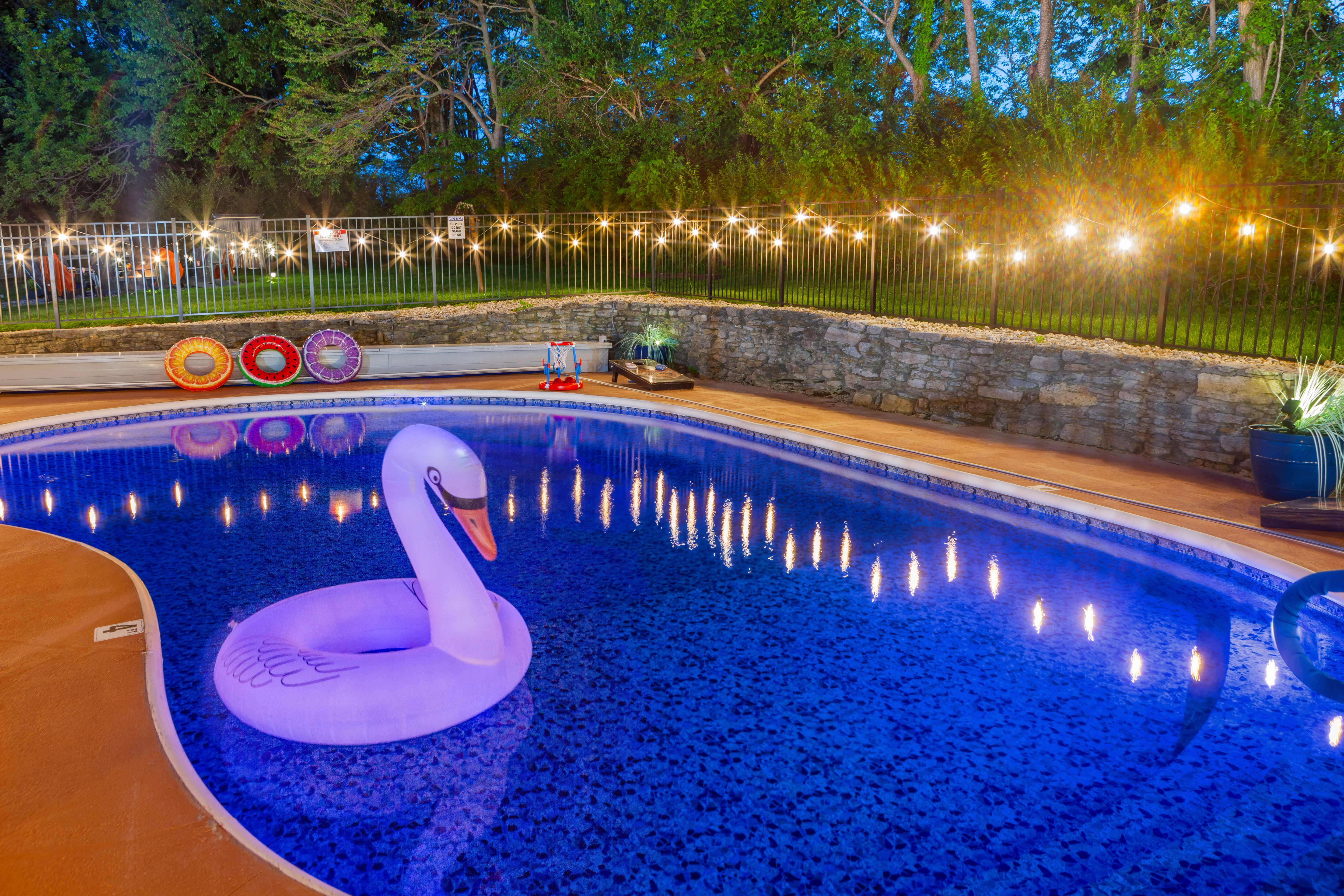
If your Louisville photo trip is really a bigger group getaway, Glencairn Knoll puts you about 20 to 25 minutes from every location on this list, with a heated saltwater pool waiting for photos of its own once you’re back from downtown. Check availability here.
Content powered by inkSTR.co